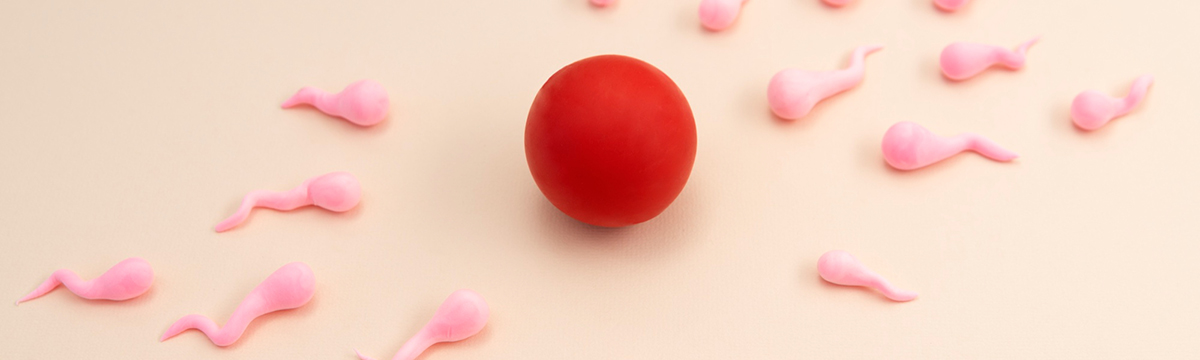

Female infertility is just nothing to be difficult about in getting pregnant, even after trying for a year or 6 months if age is above 35. It does not always mean something serious and minor health conditions that are easy to handle can postpone pregnancy.
Women are experiencing pregnancy problems due to changing lifestyles, stress, late marriages and underlying medical conditions. The good news? Through proper diagnosis and the advice of a fertility specialist, many women successfully conceive.
Ovulation Disorders
Ovulation is the release of an egg by the ovary each month. Failure to ovulate regularly may cause problems in becoming pregnant.
Irregular ovulation is one of the most common causes of female infertility. The release of eggs may be affected by hormonal imbalances, stress and even conditions like PCOS.
Most of the women can observe irregular ovulation, missed ovulation or excessive bleeding. These are the first signs indicating that ovulation is not occurring in the right way. A gynecologist near me can be consulted early to achieve hormonal balance and have an improved chance of pregnancy.
Polycystic Ovarian Disease
PCOS is currently a major cause of infertility in women. It influences the functioning of the ovaries and interferes with the hormone levels.
The PCOS women can have:
- Irregular periods
- Weight gain
- Hair or acne growth
In PCOS, eggs cannot be released periodically in the ovaries and thus conception would be difficult. However, through lifestyle modification, medications and appropriate observation, most PCOS women proceed to deliver healthy babies.
Fallopian Tube Blockage
The fallopian tubes are very vital. They carry the egg to the uterus once it is produced in the ovary. When such tubes are blocked or damaged, sperm will not be able to meet the egg.
The most frequent causes are infections, prior surgeries or untreated pelvic disorders. In India, this is a major problem that is contributed to by untreated infections.
Doctors usually recommend such tests as HSG to determine whether the tubes are open. The treatment options may include drugs or the least invasive surgeries, depending on the condition.
Uterine Problems
The baby develops in the uterus making any defect have an impact on the implantation.
There are other uterine problems that are common, which are:
- Fibroids
- Polyps
- Structural abnormalities
Endometriosis
It is a medical disorder characterized by the growth of tissues similar to those of the uterine lining outside the uterine lining. This may cause pain, swellings and infertility.
Most women may ignore signs of endometriosis, such as painful menstruation, as it is considered normal. Endometriosis may interfere with egg quality, fertilization and implantation.
The early diagnosis of endometriosis plays an important role in the management of this medical condition.
Age Factor
With changing lifestyles, many women are choosing to plan pregnancy in later stages of life. While this is completely understandable, age does play a role in fertility.
Eggs lose their quality and quantity, which gradually decreases after the age of 30. The probability of becoming pregnant through natural means is even lower by 35.
It does not imply that pregnancy cannot happen, but it might have to be medically assisted. The early consultation with a gynecologist will be useful in determining the health of fertility and taking the guide to the right steps.
Hormonal Imbalances
The entire reproductive system is controlled by hormones. Any minor imbalance may impact pregnancy and ovulation.
Symptoms may include:
- Irregular periods
- Sudden weight changes
- Fatigue
The positive thing about it is that most of the hormonal problems can be treated by the use of appropriate medications and lifestyle changes.
Lifestyle Factors
Modern lifestyle habits are contributing to the female infertility causes in silence. The causes include poor diet and stress, lack of sleep and working hours.
When Should You See a Doctor?
Many couples put off seeking aid, hoping things will happen naturally.
You want to visit a doctor when:
- Your attempts have been more than a year
- Periods are not regular or painful
- You are aware of diseases like thyroid and PCOS
- There is a history of miscarriages
Hope Begins with the Right Care
Infertility is a frustrating condition; however, it is important to note that medical science has come a long way. From simple solutions to complicated procedures, there are many solutions to help women conceive.
When there is a problem of pregnancy or failure to conceive after a long time, do not wait to diagnose the problem. You should consult a reliable fertility expert who will assist you in the right diagnosis and provide personal attention.